
Your time horizon
Short-dated project work behaves very differently from a long buy-and-hold. Be honest about how long you can leave capital invested.
People often talk about “investing in real estate” as if it were a single decision. In practice, a buy-to-let house, a leased office building and a piece of development land have very little in common — in how they earn, how easily you can exit, and what can go wrong.
For each type below we cover the same five things in plain language: what it actually is, who it tends to suit, the potential upside, the honest risks, and how Crestview is involved if you invest through us. No guaranteed numbers, no jargon — just a clear basis for a conversation.

You own a home — a house, apartment or small block — and let it to tenants who live there. The property aims to earn in two ways: regular rent that, after costs, can produce income; and a change in the property’s value over time, which may be a gain or a loss.
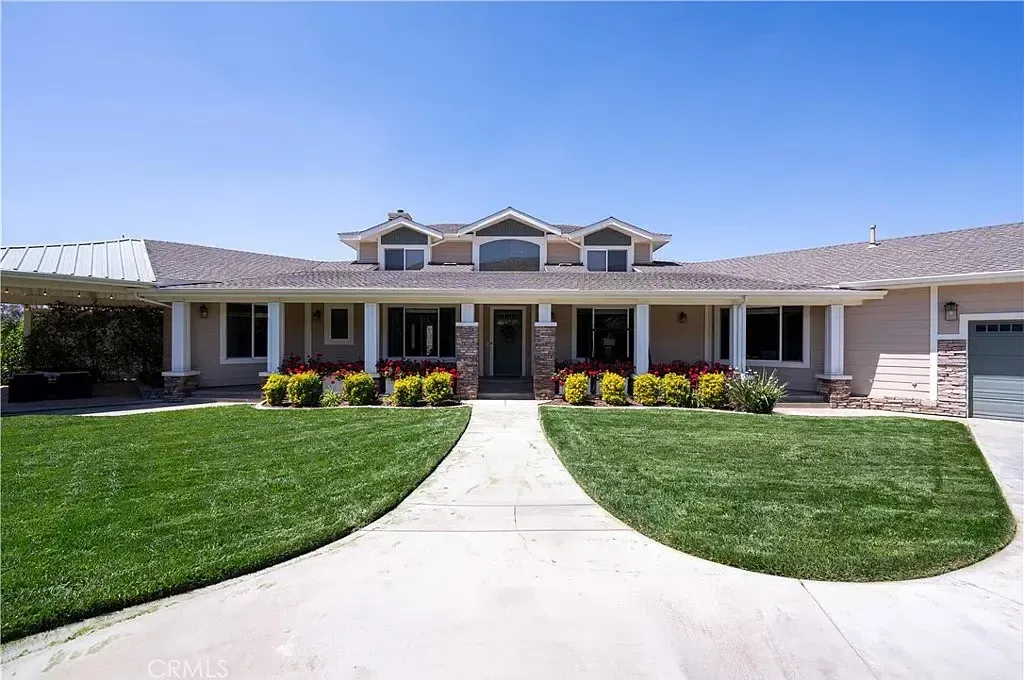
Property let to businesses rather than residents — offices, retail units, warehouses or industrial space. Leases are typically longer than residential ones, and the tenant is a company, which changes the nature of both the income and the risk.

Rather than holding for income, the aim is to improve a property and realise the difference. That can mean renovating a tired home and reselling it (“fix & flip”), or upgrading and re-letting a building to lift its rental value and worth (“value-add”). These are active projects with a defined plan and timeline.
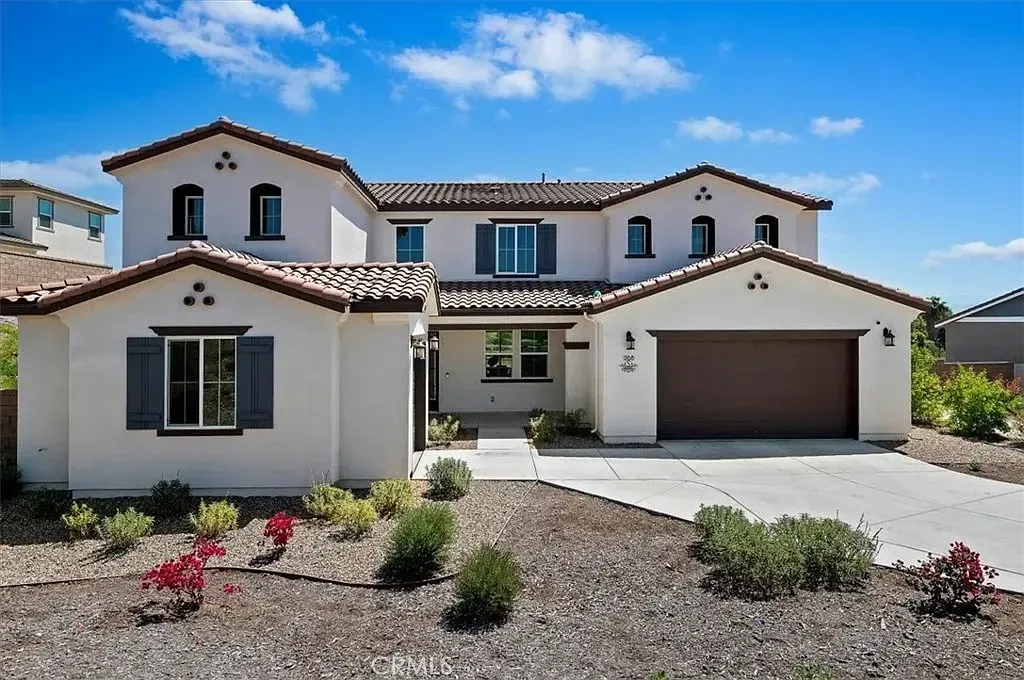
Investing in land — either holding it for a future change in value, or developing it by building on it. Development can create significant value, but it is the most involved and longest-dated activity here, with outcomes that depend heavily on planning, construction and timing.

A residential property let to guests for short stays — nights or weeks — rather than to a long-term tenant. Nightly rates can be higher than a standard let, but the income is variable and the property is run much more like a small hospitality business.

The right type depends on your horizon, how much risk you can genuinely tolerate, whether you want income along the way, and how quickly you might need your capital back. There is no single best answer — only the one that fits your situation.
Short-dated project work behaves very differently from a long buy-and-hold. Be honest about how long you can leave capital invested.
Some types aim for steadier income; others tie everything up until an exit. Decide which you actually need before you choose.
Higher potential reward comes with higher risk — including loss of capital. The comfortable answer is rarely the most aggressive one.
Tell us your horizon, what you have in mind and what you want to avoid. We’ll walk you through the options honestly — no obligation, no guaranteed-return promises.